On the science, history, and craft of reading.
Long-form pieces about how reading actually works — what your brain does with letters, why the codex won, and how Edo Japan became one of the most literate societies on earth.
All essays
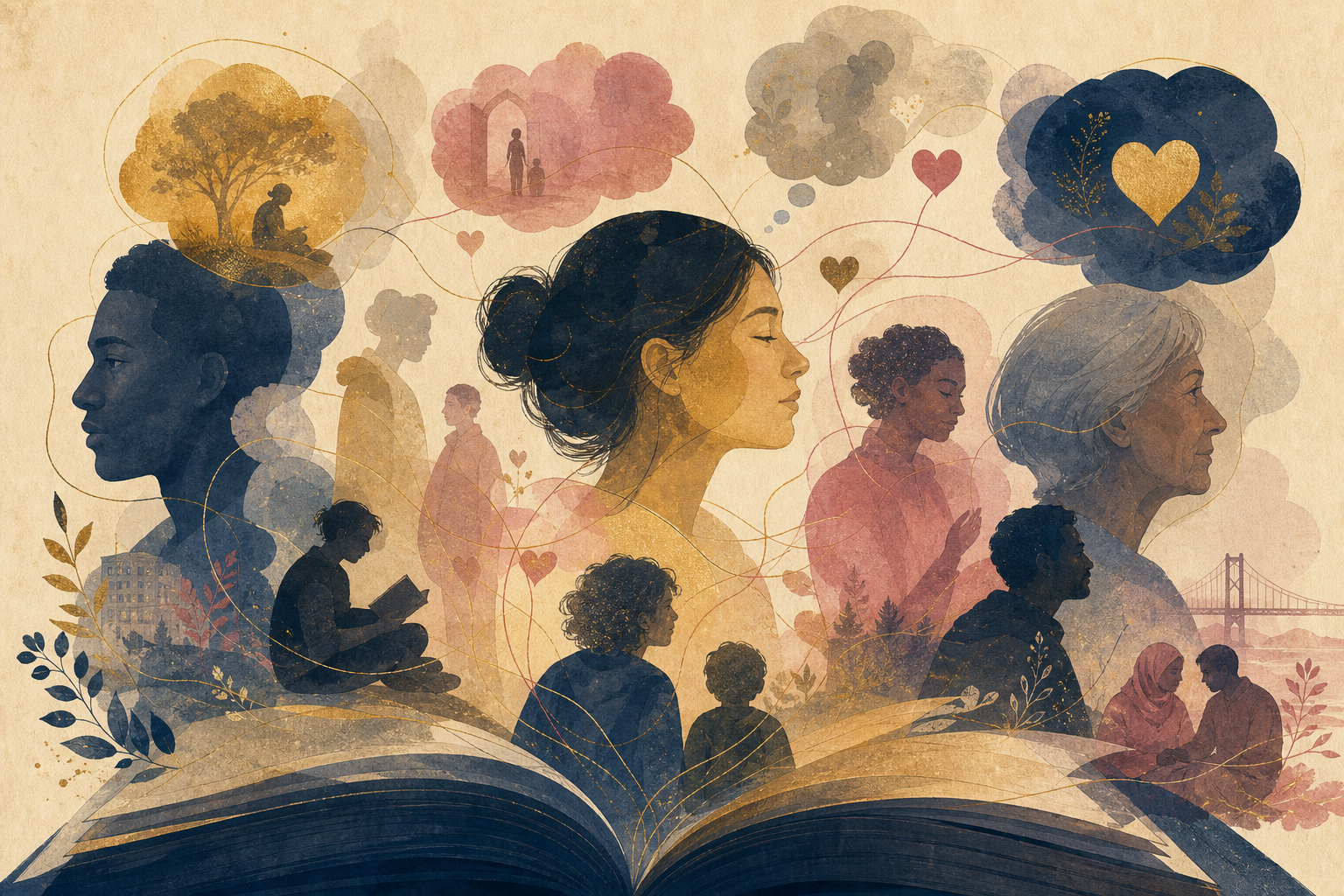
Why Reading Fiction Makes You More Empathetic
A novel is not a lecture in kindness. It is a simulator for human interiority: a quiet machine for practicing what other people might think, feel, hide, and misunderstand.
May 6, 2026
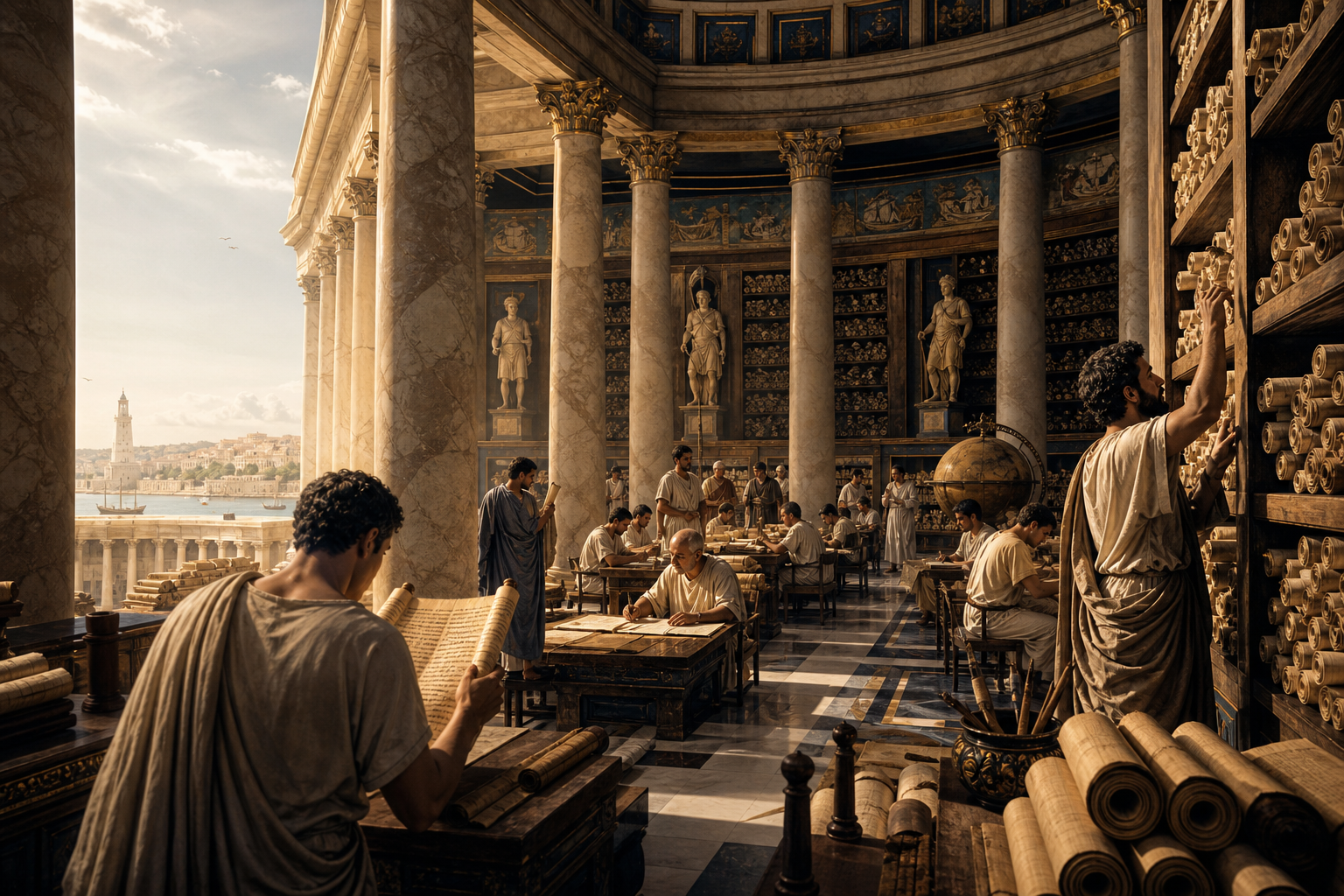
The Library of Alexandria: How an Empire Tried to Hold Every Book
The Great Library was not simply a building full of scrolls. It was an imperial research program — an attempt to collect, edit, classify, and control the written memory of the Mediterranean world.
May 5, 2026
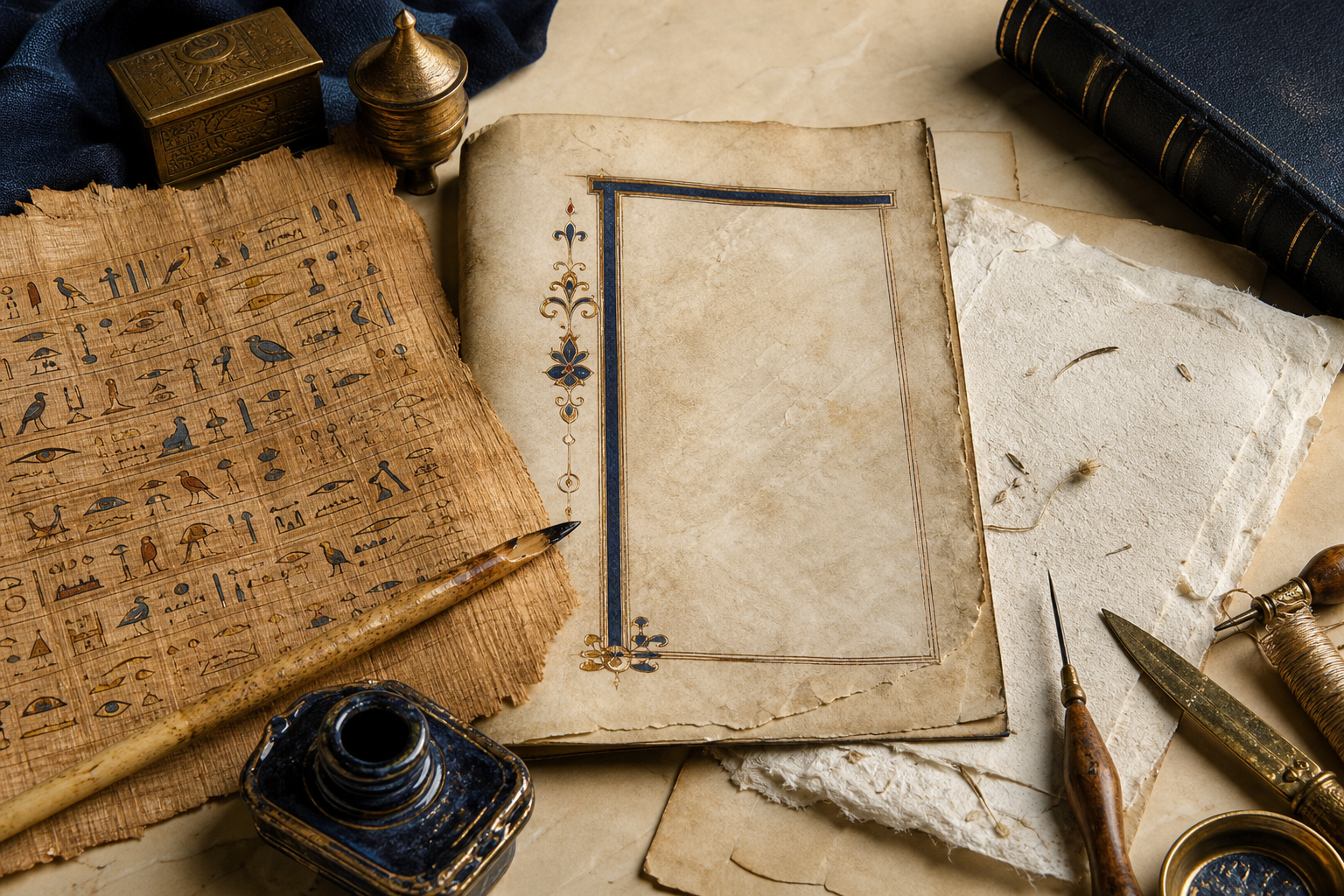
From Papyrus to Vellum to Paper: The Materials That Built Civilization
The history of reading is also the history of surfaces. Every writing material — reed, skin, rag, pulp — shaped what could be recorded, who could afford it, and how far ideas could travel.
May 4, 2026
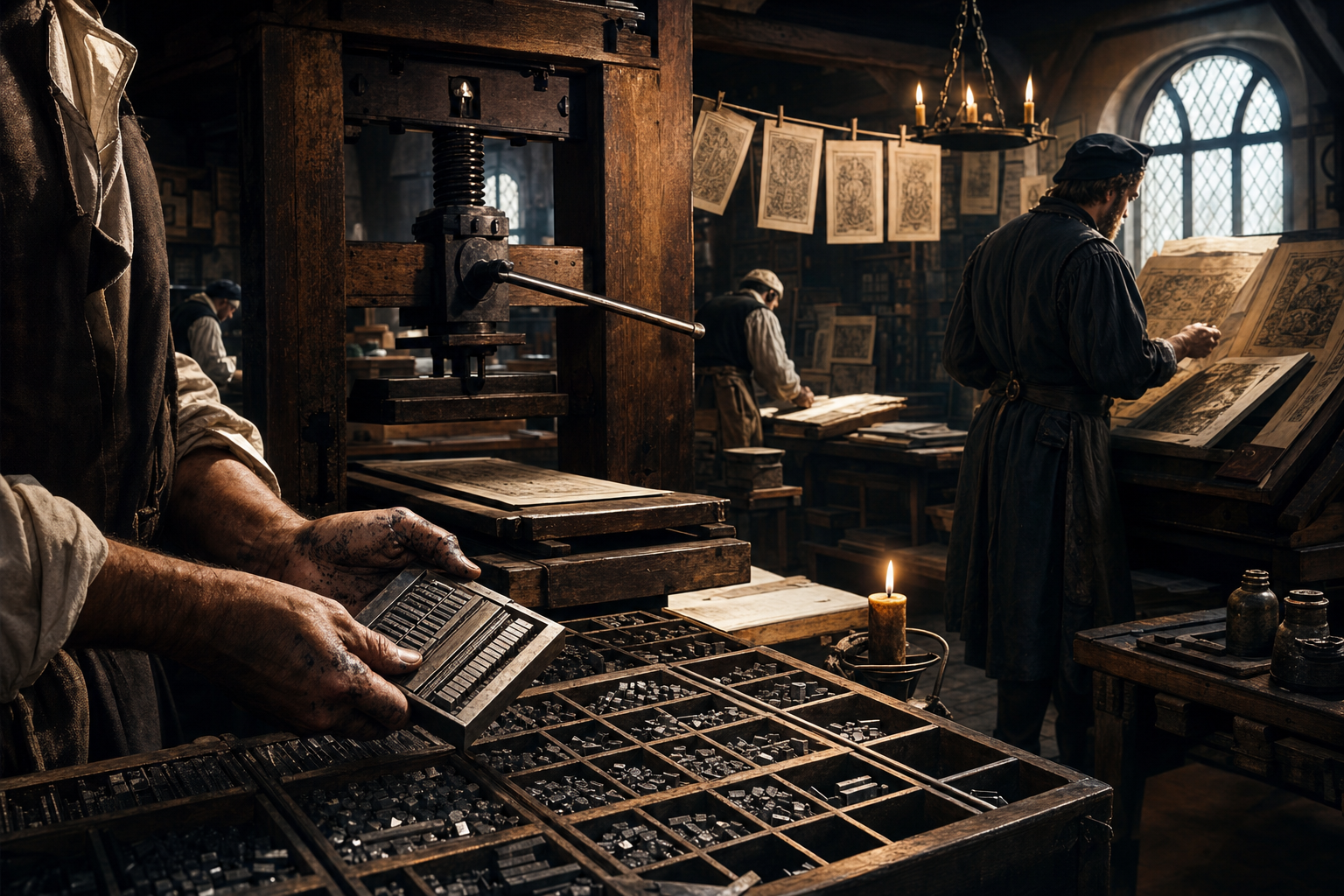
Gutenberg's Revolution: How Movable Type Rewired Europe
The printing press did not simply make books cheaper. It changed who could argue, how fast ideas could spread, and what counted as reliable knowledge.
May 3, 2026

The Islamic Golden Age and the Translation Movement of Baghdad
In Abbasid Baghdad, books became instruments of empire, scholarship, medicine, astronomy, philosophy, and faith — helped by paper, patronage, and a culture of translation.
May 2, 2026
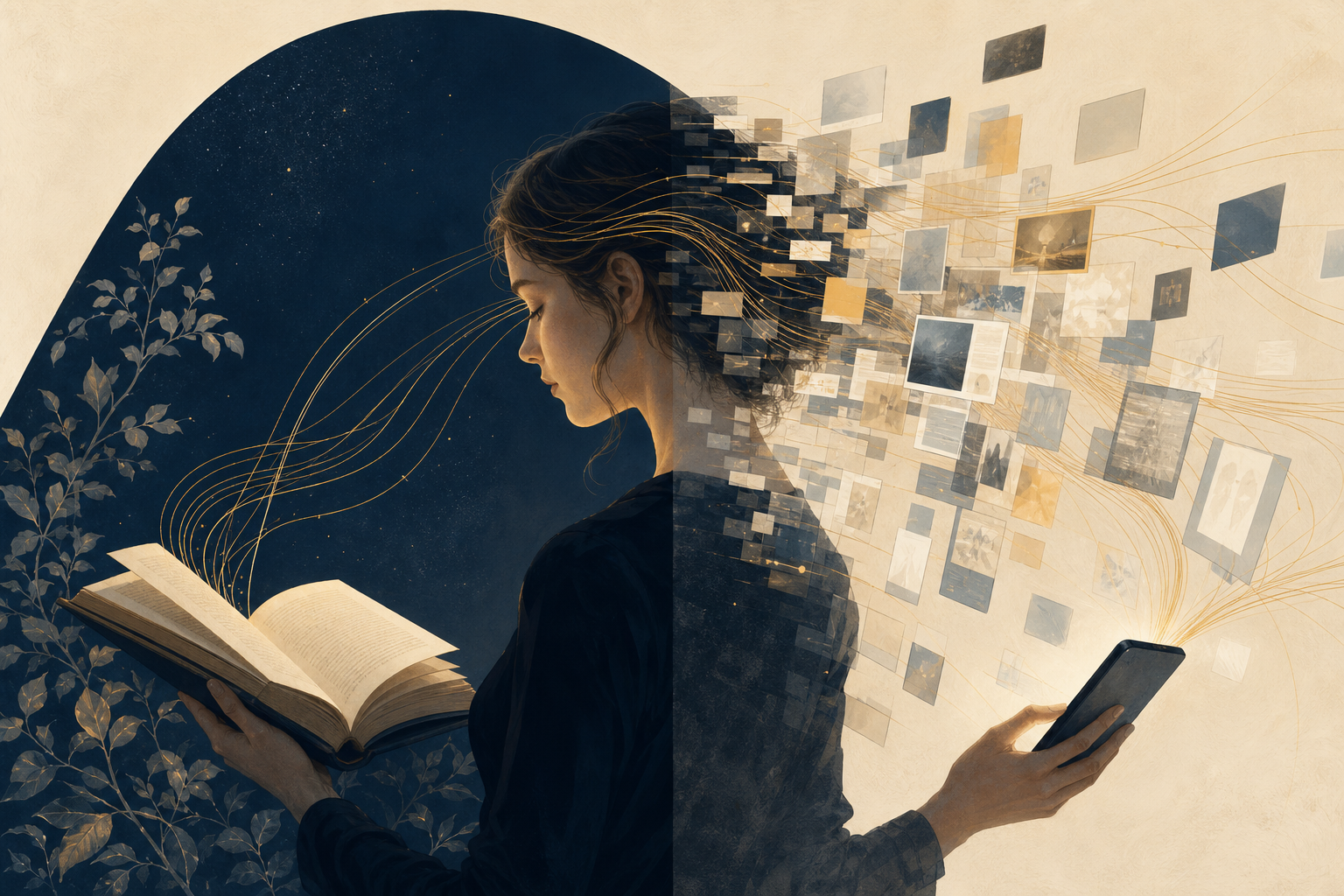
Deep Reading vs. Skimming: What Screens Are Doing to Our Attention
The problem is not that screens are evil and paper is pure. The problem is that each medium trains a posture of attention, and the skimming posture can follow us even when we want to read deeply.
May 1, 2026
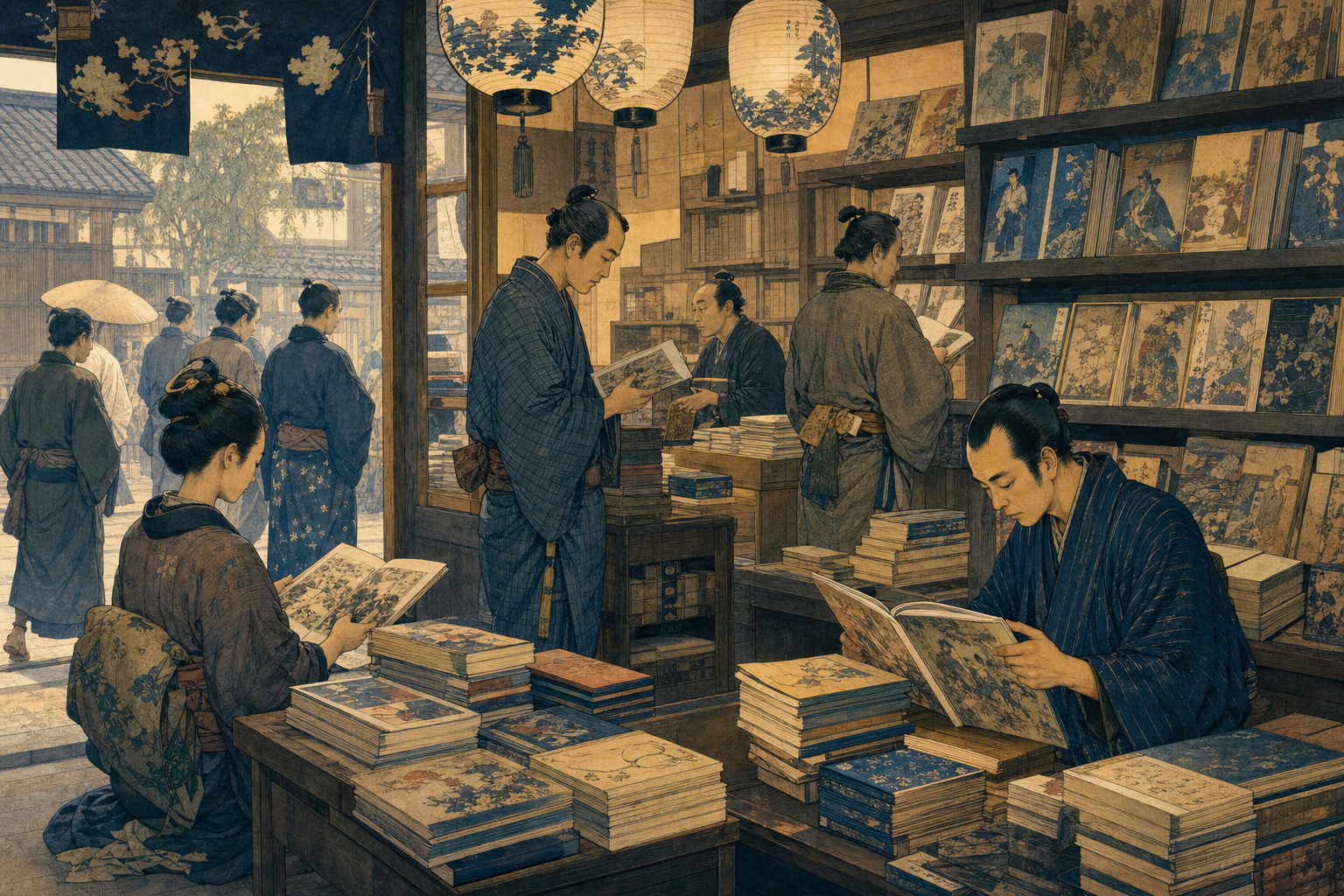
Edo Japan's Reading Revolution: How a Closed Country Became a Nation of Readers
Long before modern mass media, Tokugawa Japan built a vibrant print culture of woodblock books, lending libraries, manuals, poetry, satire, theater, and popular fiction.
April 30, 2026
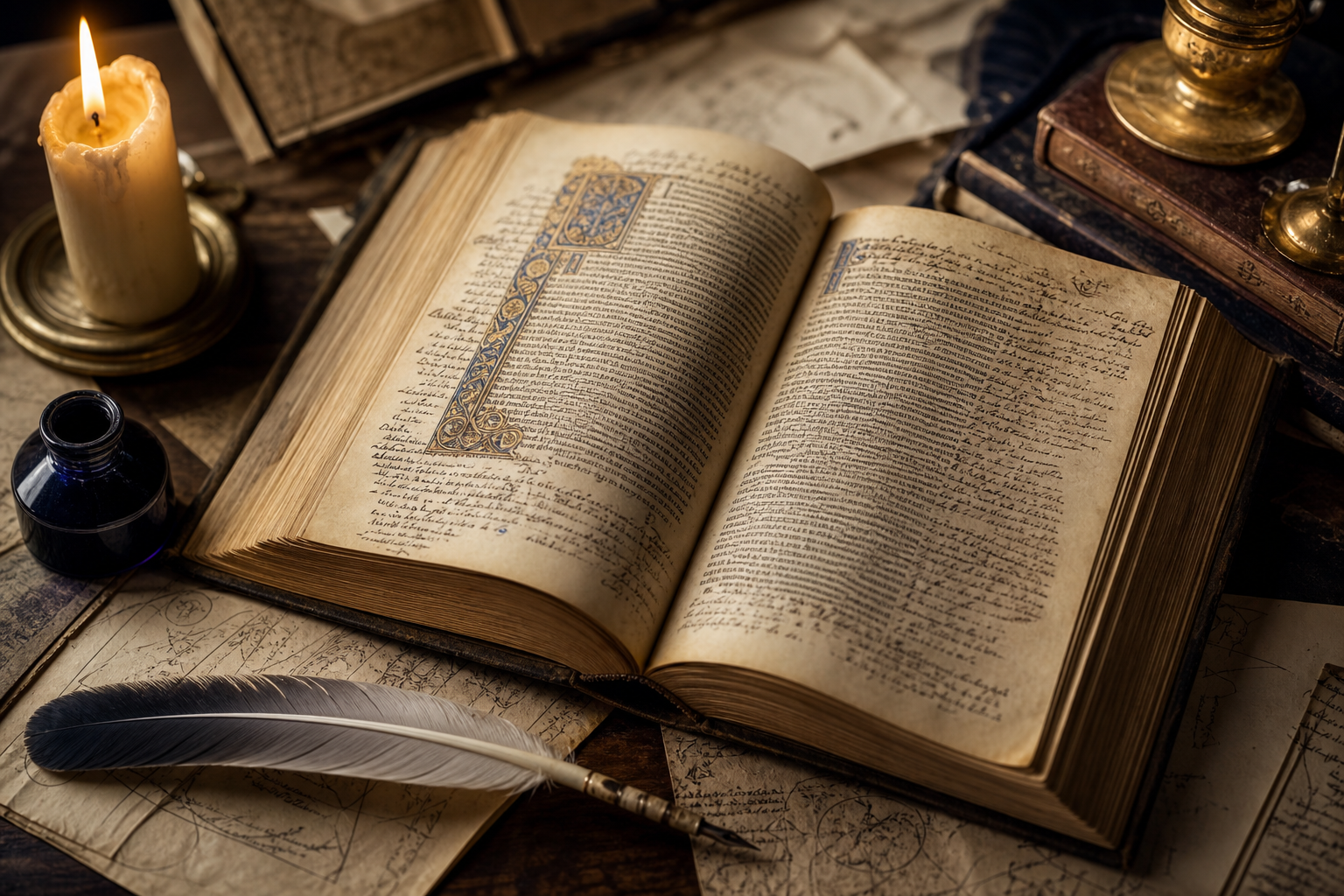
Marginalia: A Quiet History of Writing in Books
Notes in the margins are not vandalism. They are traces of attention — arguments, jokes, corrections, prayers, ownership marks, and conversations across centuries.
April 29, 2026
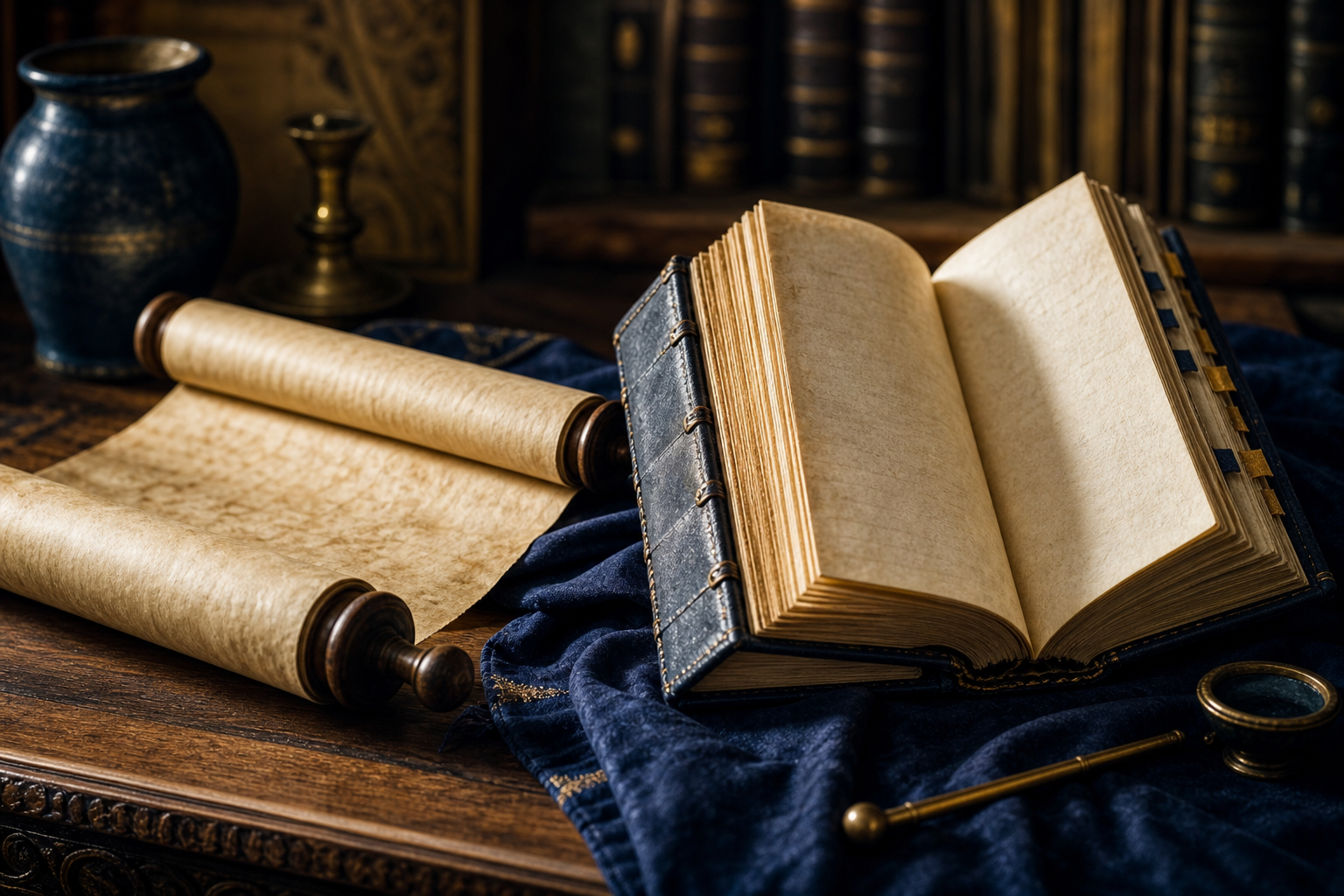
The Codex Wins: Why the Book Beat the Scroll
The modern book did not win because it was inevitable. It won because its shape made reading more searchable, portable, durable, and argumentative.
April 28, 2026
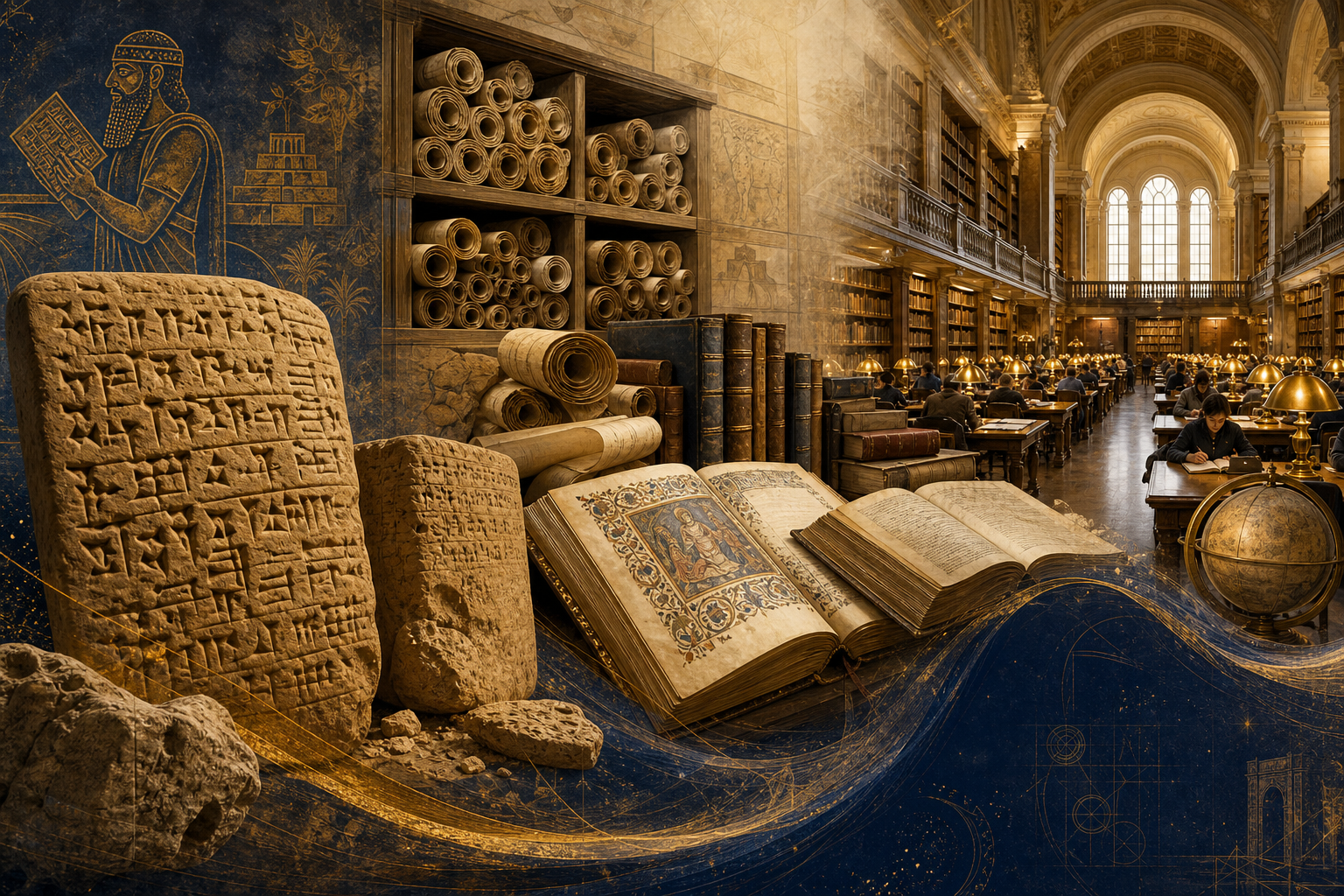
The History of Libraries: From Clay Tablets to Public Knowledge
Libraries began as instruments of power: storehouses for taxes, laws, omens, contracts, and royal memory. Over time, they became one of civilization's boldest promises — that knowledge should outlive its moment.
April 27, 2026
Why We Remember Some Books and Forget Others
Finishing a book is not the same as keeping it. Memory depends on attention, emotion, prior knowledge, retrieval, repetition, and whether the book becomes useful in the life of the reader.
April 26, 2026

The Secret Life of Bookstores
A bookstore is not only a shop. At its best, it is a filter, a stage, a local memory, a recommendation engine with a human face, and one of the last places where browsing remains a serious act.
April 25, 2026

How Children Become Readers
Children do not become readers merely by being handed books. They become readers through language, attention, instruction, imitation, access, confidence, and the discovery that print can belong to them.
April 24, 2026

Forbidden Books: What Censorship Reveals About the Power of Reading
A banned book is rarely just a book. It is a sign that someone believes words can change loyalties, unsettle authority, awaken desire, preserve memory, or make obedience harder.
April 23, 2026