Overview
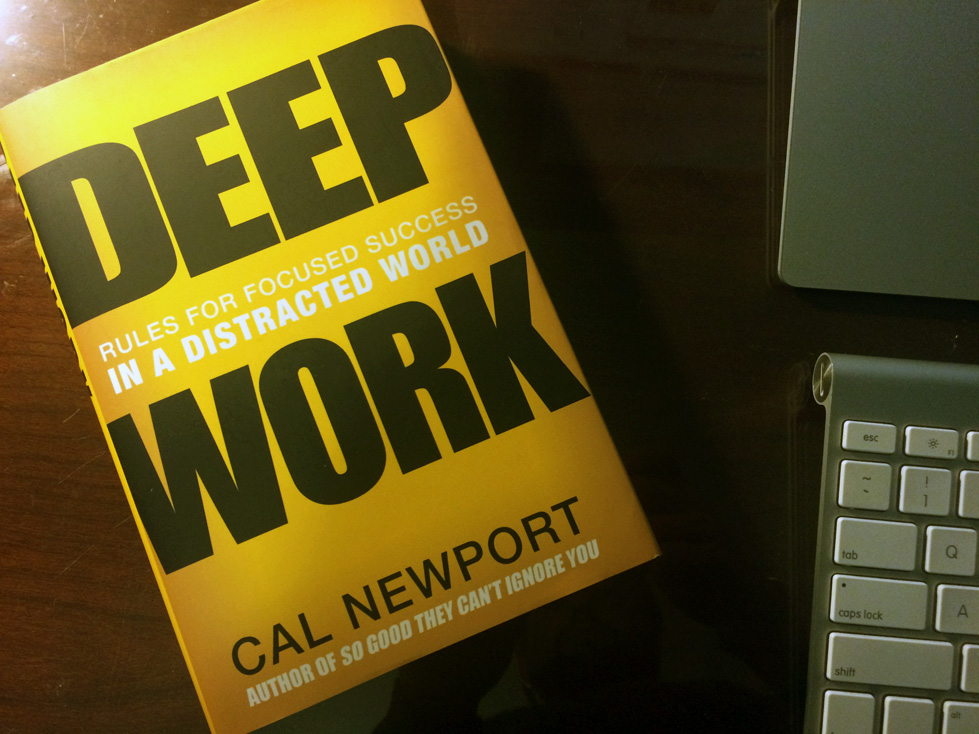
Deep Work argues that the ability to focus without distraction on cognitively demanding work has become increasingly rare at the exact moment it has become increasingly valuable. Cal Newport makes the case that sustained concentration is now a major competitive advantage and offers practical strategies for building a life and workflow around it.
Summary
Newport defines deep work as professional activity performed in a state of distraction-free concentration that pushes your cognitive abilities to their limit. He contrasts it with shallow work: reactive, logistical tasks that create the appearance of productivity without producing the same level of value. The book explains why deep work matters, why modern work makes it harder, and how to deliberately structure your time, environment, and habits to make focused work more possible. Newport emphasizes rituals, time blocking, reduced distraction, and greater intentionality around where attention goes each day.
Key Takeaways
- 1
Deep work is becoming more valuable as it becomes more rare. Those who can cultivate sustained focus will have an advantage.
- 2
Attention residue makes task-switching costly. Even small interruptions leave part of your mind stuck on the last task.
- 3
Time blocking creates intentionality. Scheduling focused work periods protects attention from being consumed by reactive tasks.
- 4
The rhythmic approach is practical and sustainable. Making deep work a regular habit is often more realistic than waiting for the perfect uninterrupted day.
- 5
Shallow work needs boundaries. Batching email, admin work, and low-value tasks can free more time for meaningful output.
"
Clarity about what matters provides clarity about what does not.
— Cal Newport
Why I Recommend It
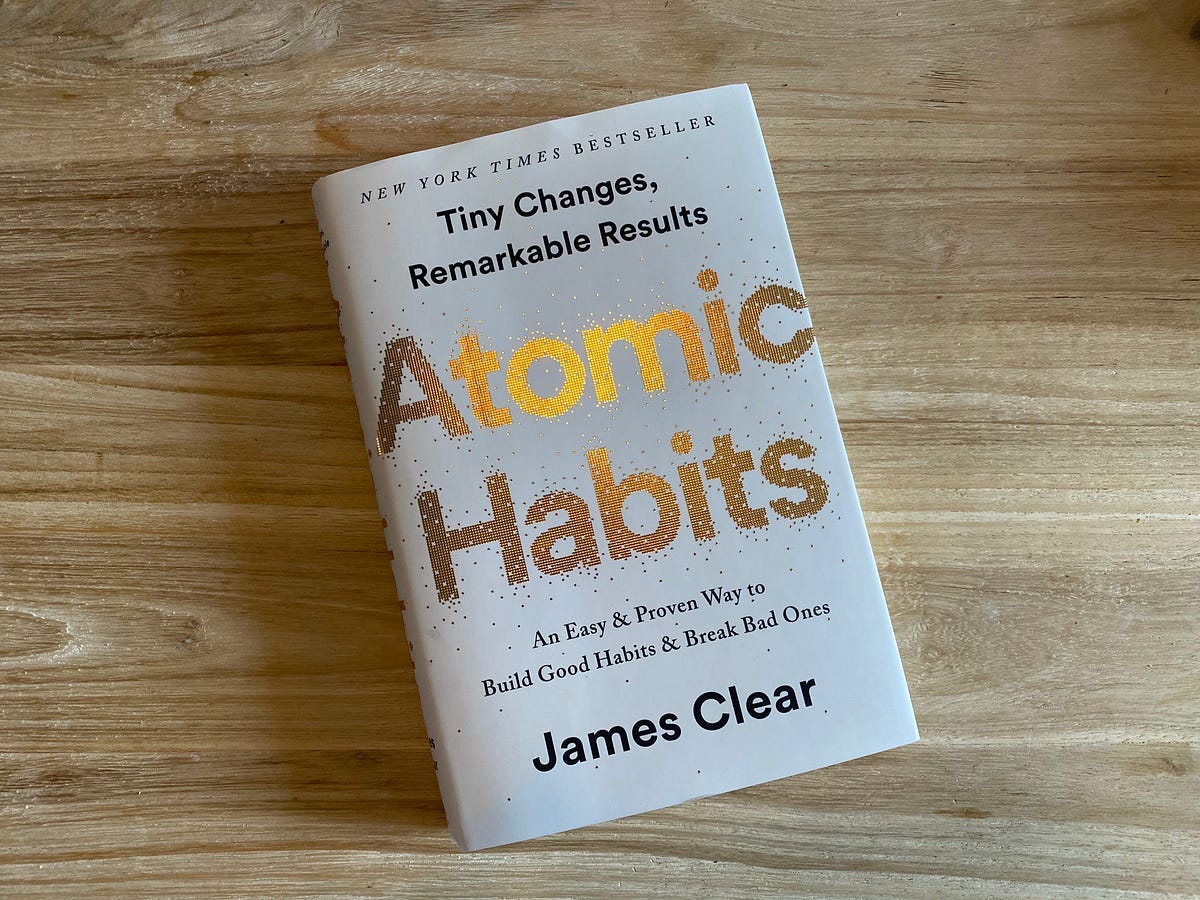
This book made a real difference in my life because distraction, information overload, and social media had become major problems for me. One of the biggest things I took from Deep Work was the importance of designing my environment for focus instead of hoping focus would just happen. I started setting up my workspace more intentionally, sometimes using work music to help me concentrate, minimizing distractions, and letting my family know what I was working on so I could protect that time better. The rhythmic approach was especially effective for me. Rather than waiting for the perfect long stretch of time, I began building focused work into a regular routine. Time blocking, combined with batching email and administrative work, had a big impact on my ability to do deeper, more meaningful work. The shutdown ritual also connected well with changes I had already been making after reading Atomic Habits: intentionally ending the workday helps move my brain into wind-down mode and makes it easier to transition into rest and sleep. I also appreciate that the book gave me language for something I had already felt: constant task-switching damages the quality of thinking. The concept of attention residue helped explain why days filled with interruptions could feel busy but still leave me feeling like I had not made real progress. At the same time, the book did not become a perfect blueprint for every part of my life. I still struggle with checking my phone, especially because I work in IT and do receive work-related texts. And I have not been able to schedule every minute of every day because the nature of my work does not always allow that level of control. But even without following every idea perfectly, the book still changed how I work. It helped me move from reactive busyness toward more intentional focus, and it remains one of the best books on focus and meaningful productivity.
Who Should Read It
This book is especially useful for knowledge workers, technologists, managers, students, writers, and anyone who feels their attention has become too fragmented. It is particularly valuable for people who want to produce higher-quality work and feel they are spending too much of their time reacting instead of thinking.